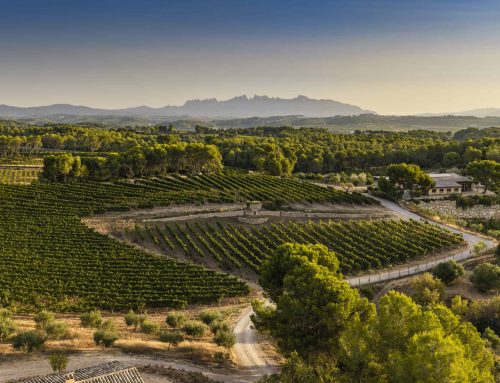
Incorporating hens into the daily life of our vineyard has been one of our ideas most recently put into practice. Step by step, we move towards our vision; a culture of respect for the land and the future of the Penedès.
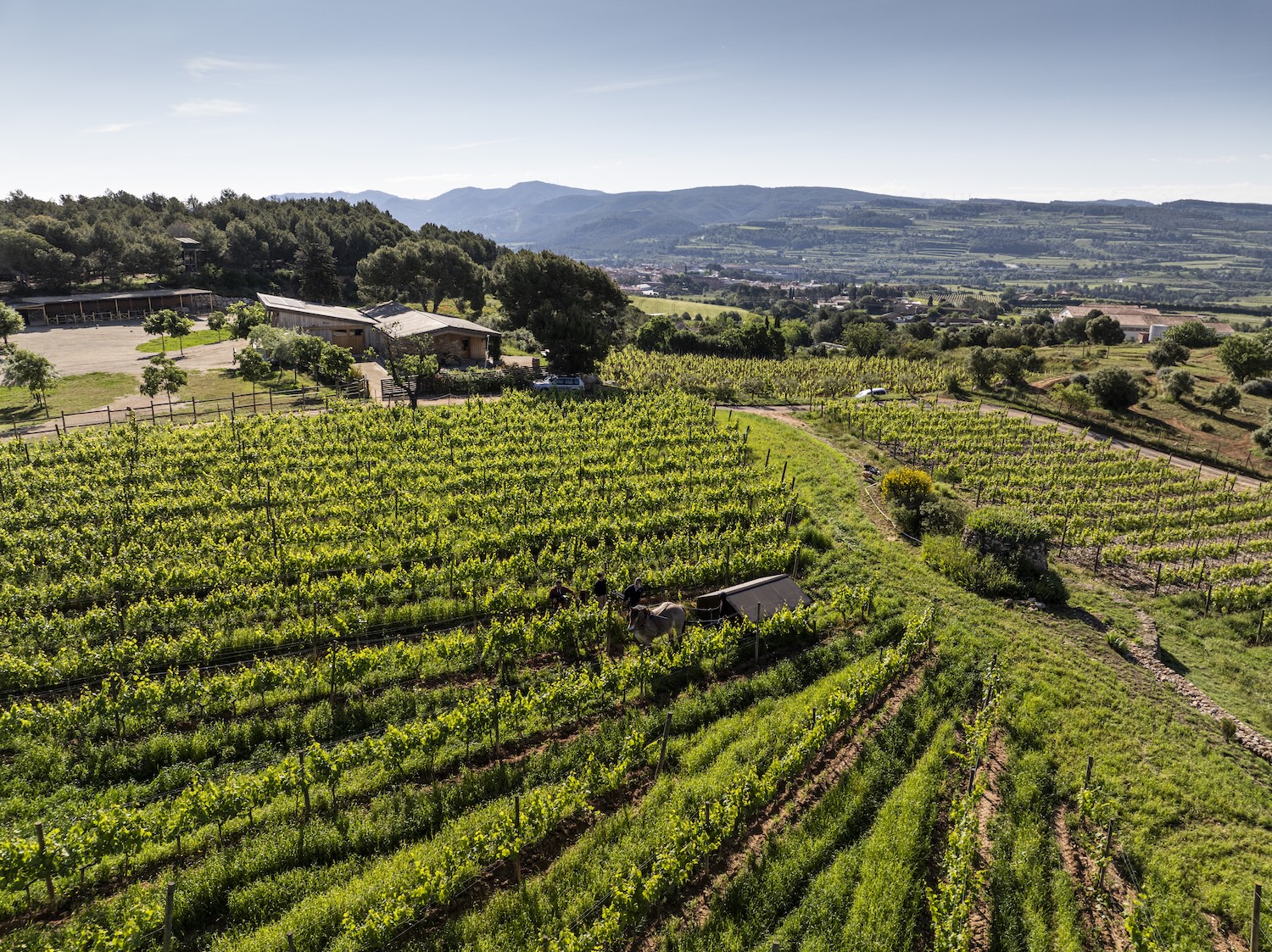
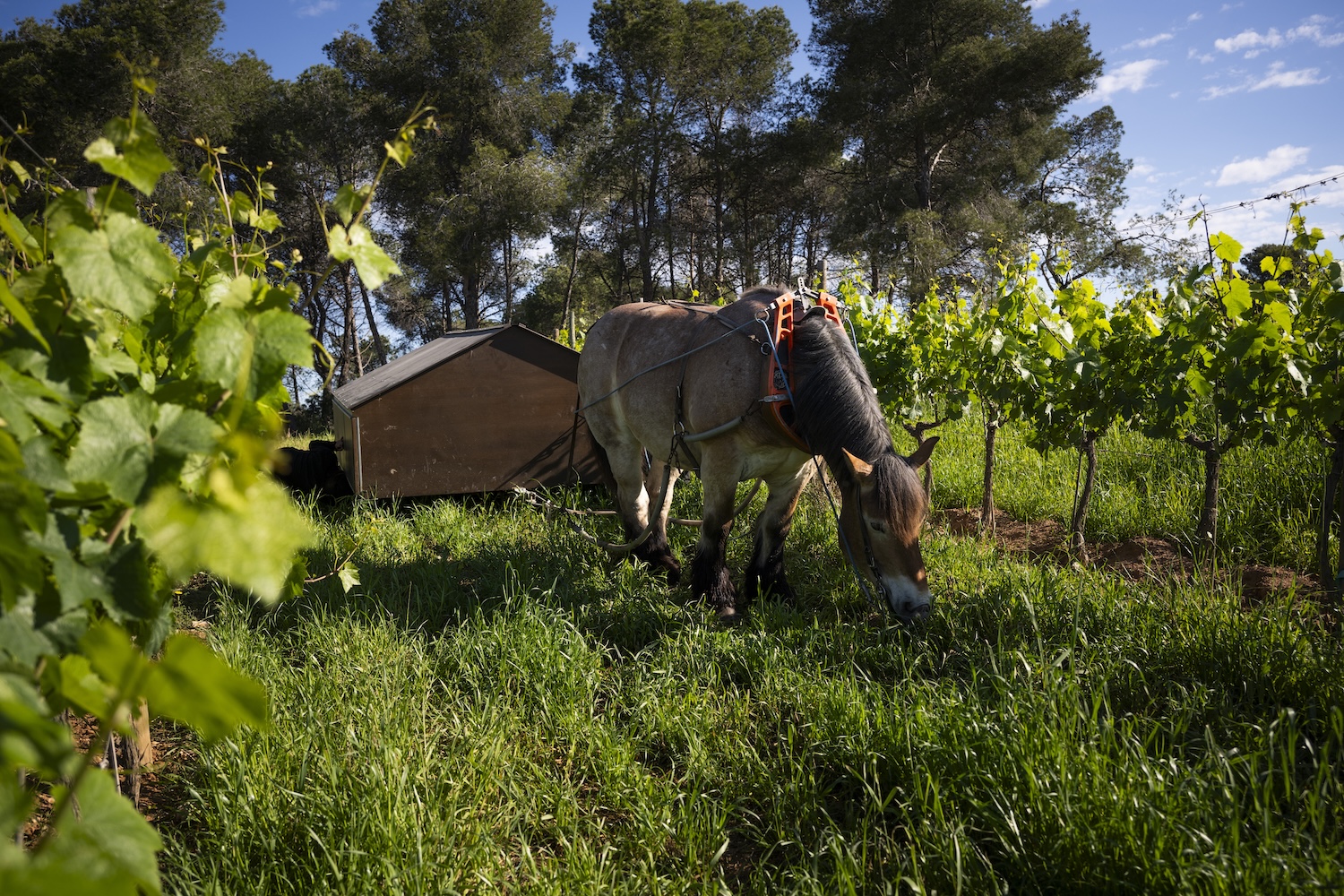
When Gramona’s commitment to biodynamics began several years ago, one of our earliest challenges was to integrate the animal kingdom. An important part of this was for the animals on the property to play not just a utilitarian role but rather an active one, as we humans do. The cows we took in from the Albera immediately provided us with the raw material to make biodynamic preparations, and we soon began to farm with horses. This is now a daily practice in our small universe.
When our Ripollese sheep arrived, they learned to clear the grass between the rows, resisting the temptation of the tender leaves of the vines. Nowadays, the herd spends its days roaming the different vines in our vineyards. The bee hives have been occupying different locations in our vineyards and help us to pollinate the secondary vegetation throughout the property.
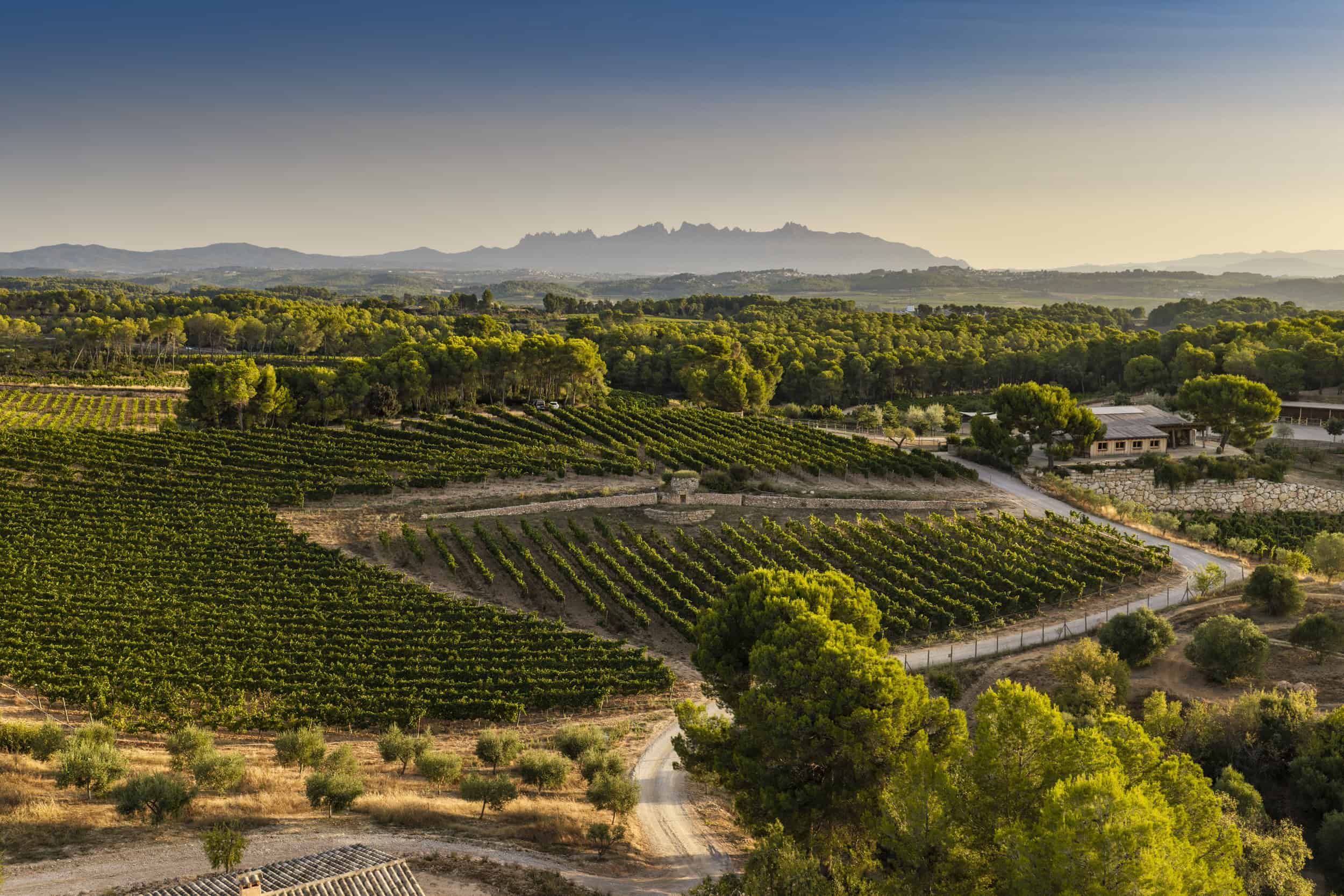
Little by little, the ecosystem that we share with the animals and plants of our land is being enriched and consolidated.
The grazing of hens
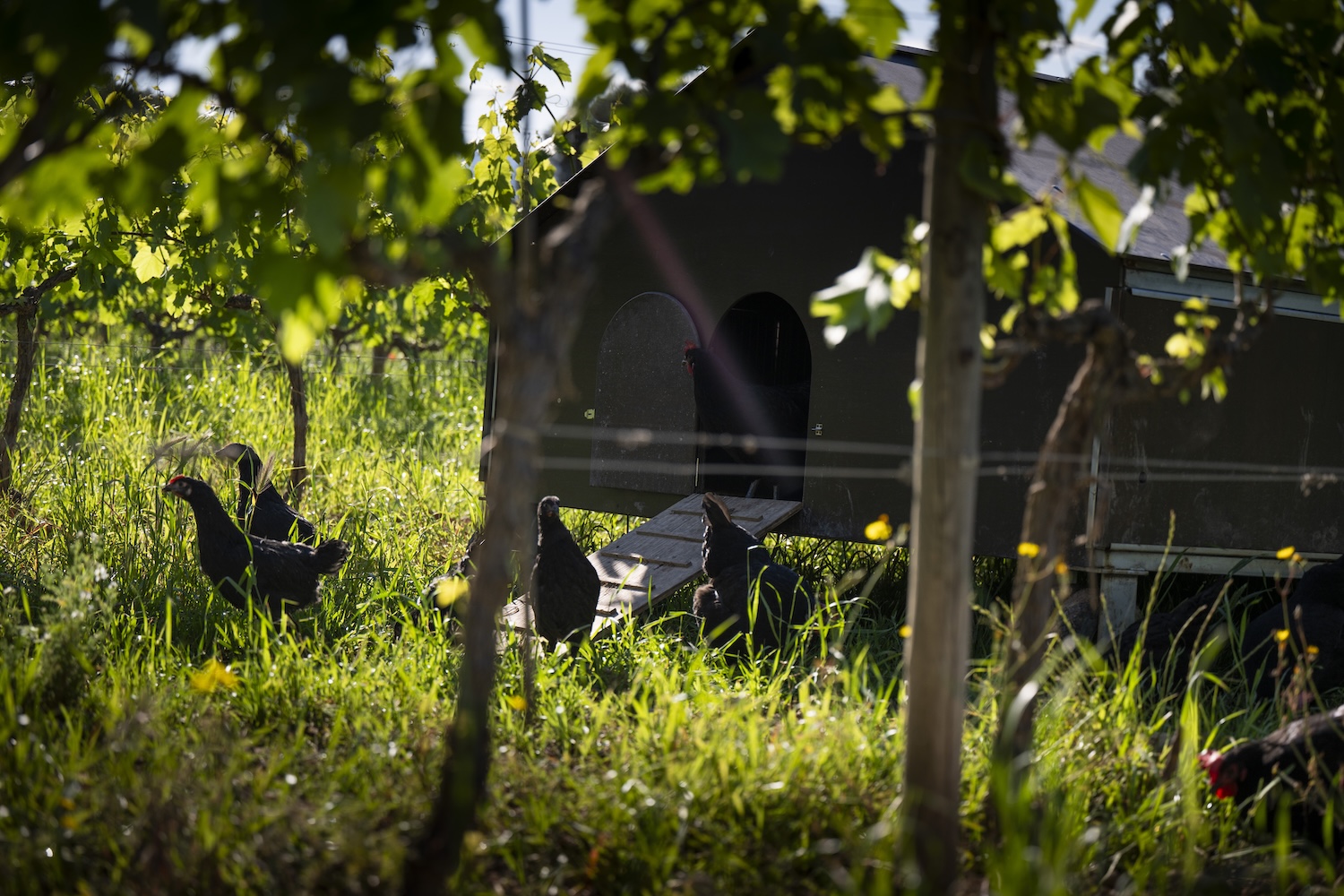
With the help of Carles de Cal Nadal in Sant Quintí de Mediona, we have found a way to provide a fuller life for these hens, which we have had for years. Together we worked on the design and construction of a mobile chicken coop, which had to meet several requirements. It had to be light enough to be pulled by a horse, large enough for two dozen hens to live in comfortably, narrow enough to pass between the rows and with a suitable base to allow the manure to directly reach the ground. And we have found a way to make all this possible.
Our mobile chicken coop has a wire mesh base. This means that the birds’ droppings fall to the ground, even when they are inside the coop. Every morning, the run is moved a few metres and then we open the door. The animals climb out and run around the vineyard, scratching the ground to dig up worms and other insects and eating the grass that grows. They enter and leave the coop freely. At night, they have learned to go inside to sleep and, before sunset, we close the door for them. This protects them from foxes and other small mammals that can steal the eggs and scare the hens.
Synergies
One of the beneficial side effects of having this roaming chicken coop on the farm is the addition to the soil of easily assimilated nitrogen provided by the hens’ droppings. However, this is not all we were looking for. The main objective of the research work, the design and construction of the henhouse, has always been to tune the energies of the farm to a single frequency. In fact, all our work is focused on ensuring that the wines are able to transmit this energy. And we succeed. Our soils are becoming livelier every day, producing richer and more balanced musts, allowing us to minimise intervention in the winery.
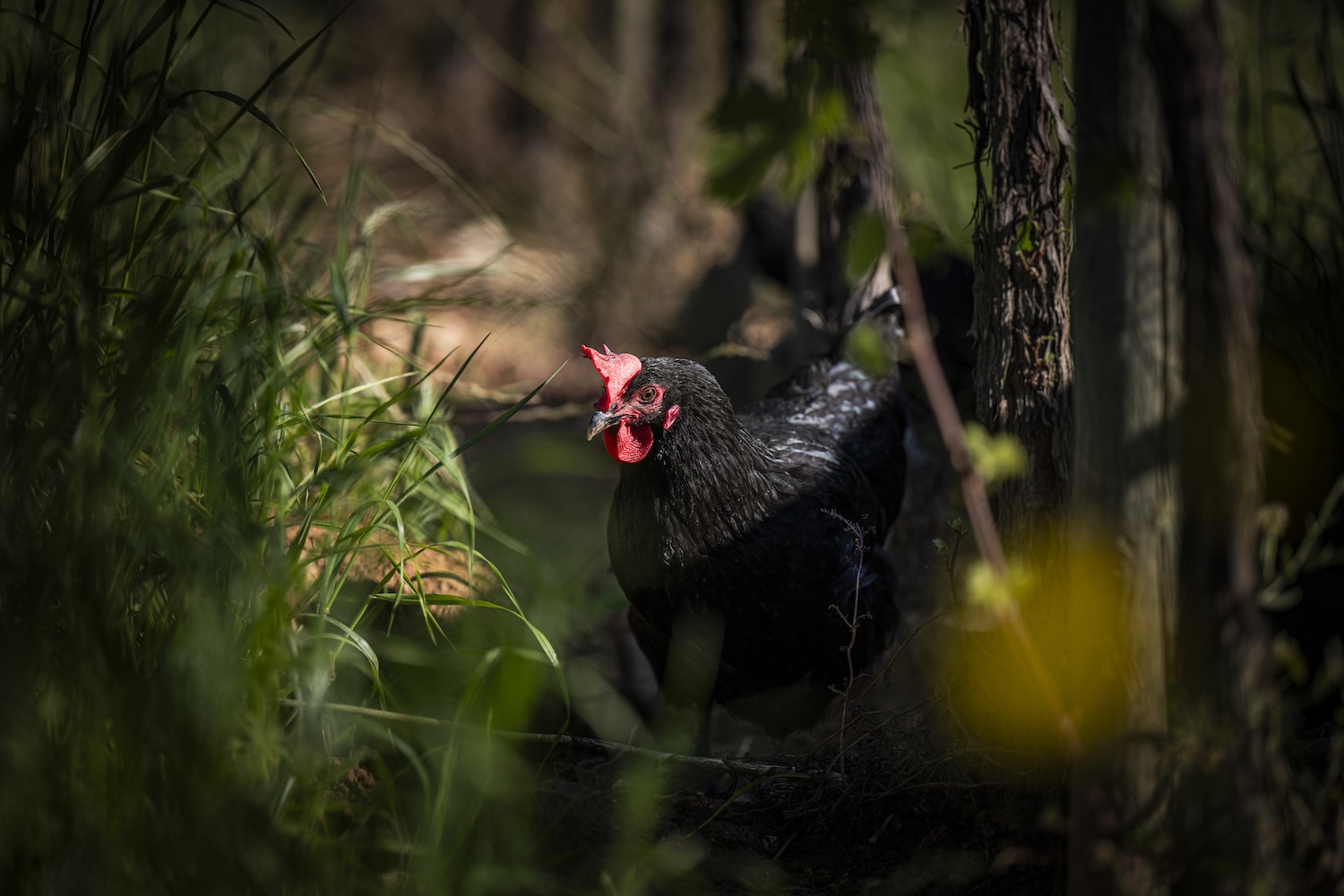
Our hens are an ancestral breed from the Penedès. We are not sure how many centuries they have been part of the landscape we share, and they have adapted very well to the new dynamic life. Their black plumage is getting shinier every day and the number of reddish eggs they lay has increased. Eggs laid in mobile chicken coops are said to be richer in vitamins and minerals and up to 25% lower in saturated fats.
We are closing the biodynamic circle. The soil provides food for the hens which, once digested, return nutrients to the vines. These in turn produce the grapes from which we make our sparkling wines.